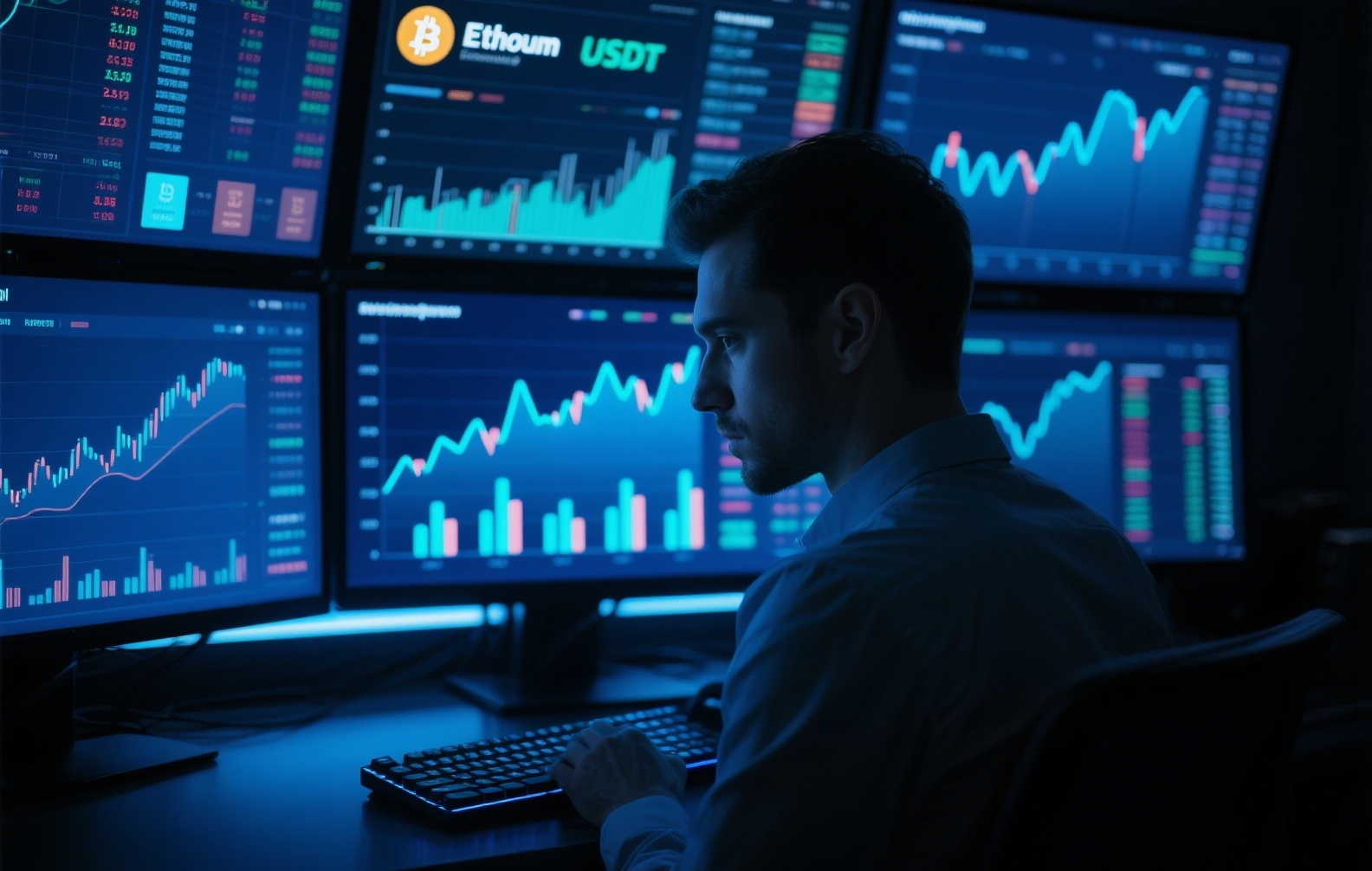
Binance is a globally recognized cryptocurrency exchange that was founded in 2017 by Changpeng Zhao, more commonly known as "CZ." While the company was originally based in China, it moved its headquarters out of the country due to stricter regulations and now operates as a decentralized global entity. Currently, Binance’s primary legal and operational base is registered in the Cayman Islands, with regional hubs in countries like Malta, France, the United Arab Emirates, and others. This international structure allows Binance to serve users from almost every country, though it does have restrictions in certain jurisdictions, such as the United States, where a separate platform called Binance.US exists.
To understand how to use Binance, you must first grasp its core purpose. It is a platform where you can buy, sell, and trade hundreds of different cryptocurrencies. The most common way to start is by creating an account. You will need to provide an email address or phone number and set a strong password. After signing up, Binance will ask you to complete a "Know Your Customer" (KYC) verification process. This usually involves uploading a photo of your government-issued ID and taking a selfie. This step is mandatory for higher withdrawal limits and most trading activities. Once verified, you can deposit funds into your account. Binance supports deposits in multiple ways, including cryptocurrencies transferred from another wallet, and fiat currencies like USD, EUR, or GBP via bank transfers or credit/debit cards.
The most fundamental operation on Binance is trading. The platform offers several trading interfaces, but the two main ones are the "Spot" market and the "Convert" feature. The Convert tool is the simplest option for beginners. You choose a currency you want to swap, such as USDT (a stablecoin pegged to the US dollar), and the currency you want to buy, such as Bitcoin (BTC). Binance shows you a fixed exchange rate, and you confirm the trade. The Spot market is more advanced. Here, you see a live order book with different prices. You can place a "Market" order, which buys or sells instantly at the best available current price, or a "Limit" order, where you set a specific price you want to trade at and wait for the market to reach that level.
Beyond trading, Binance offers a wide range of financial services. One of the most popular is "Earn." Under this section, you can lend your cryptocurrencies to other users or to Binance itself in exchange for interest. Products in Earn range from flexible savings (you can withdraw your funds at any time) to locked staking (you lock your coins for a set period, like 30 or 60 days, to earn a higher yield). Another key feature is the "Margin Trading" option. This lets you borrow money from Binance to trade larger amounts, which can increase your profits but also significantly raises your risk of losses. If you are new to crypto, it is highly recommended to avoid margin trading until you fully understand the mechanics.
Security is a critical aspect of operating Binance. You should always enable Two-Factor Authentication (2FA). The platform supports 2FA through the Google Authenticator app or via SMS codes. Additionally, Binance has a "Withdrawal Whitelist" feature. This allows you to set specific wallet addresses that you can send your crypto to. If an attacker gains access to your account, they cannot drain your funds to a new, unverified address. It is also wise to regularly check your “API Management” settings. If you use third-party trading apps or bots, they access your account via an API key. Make sure you only enable the permissions that are absolutely necessary (like trading, not withdrawing).
Finally, navigating the Binance mobile app or website can feel overwhelming at first because of the sheer number of features. The best approach for a new user is to start small. Deposit a small amount of a stablecoin like USDT. Use the Convert tool to buy a small fraction of Bitcoin or Ethereum (ETH). Then, try moving that coin to a personal wallet to practice withdrawal. Once you are comfortable with the basic flow of deposits, trading, and withdrawals, you can explore more advanced features like P2P trading (buying directly from other people), futures contracts, or the Binance Launchpad (where new crypto projects sell tokens). Remember, while Binance provides powerful tools, the responsibility for protecting your account and making informed trades lies entirely with you. Always double-check withdrawal addresses and never share your 2FA codes with anyone.